The Comparison Trap
On the quiet violence of measuring your behind-the-scenes against everyone else's highlight reel — and how to climb out.
Key takeaways
- You compare your unedited real life to everyone else's curated highlights — an unfair, rigged contest.
- Comparison and gratitude cannot occupy the same breath; naming one good thing interrupts the spiral.
- Curating your feed and setting limits protects your peace more than willpower alone.
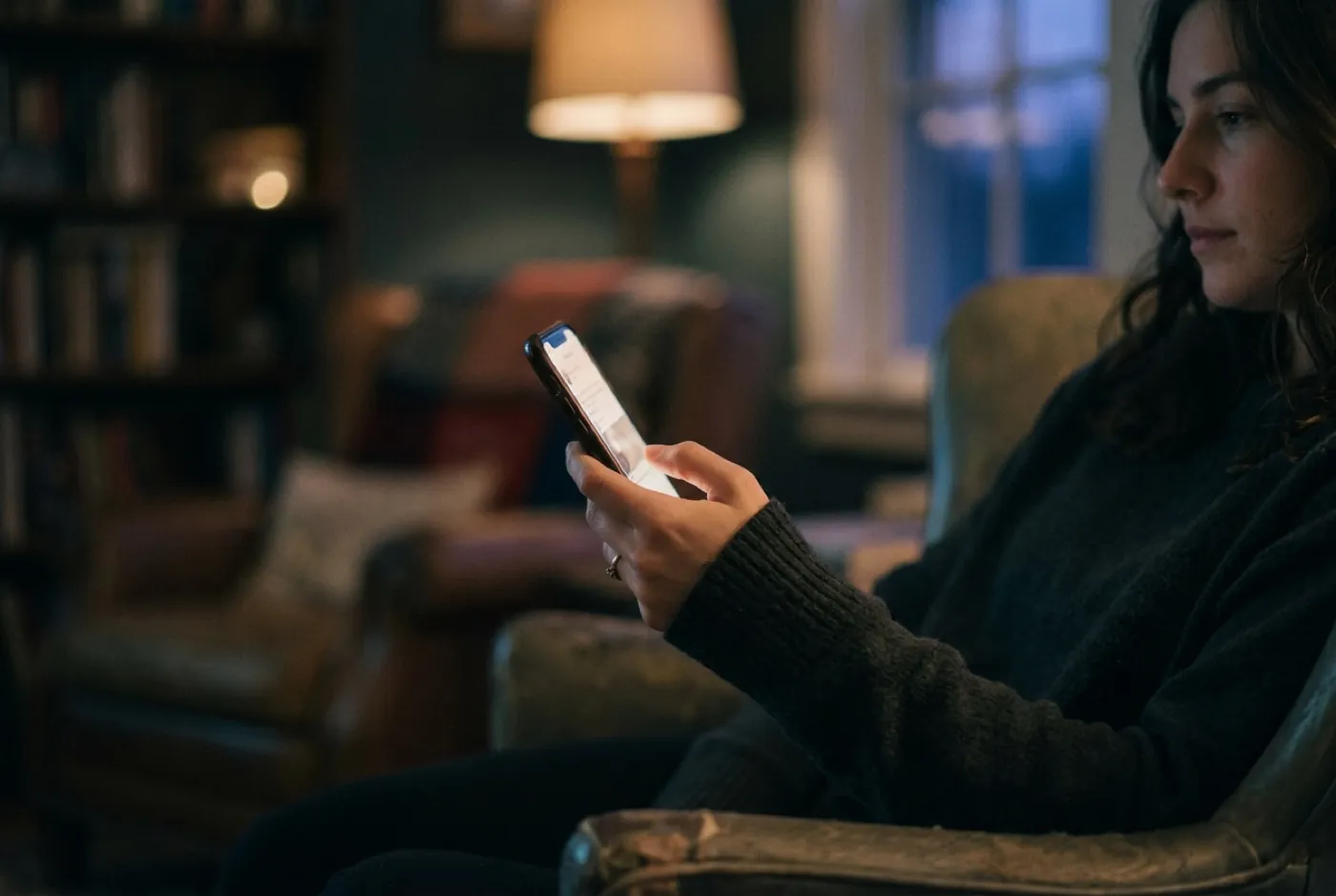
You scroll for four minutes and somehow end up feeling behind in your own life. Someone's wedding, someone's promotion, someone's baby, someone's trip to a place you can't pronounce. Here is the quiet truth we forget: you are comparing your behind-the-scenes to everyone else's highlight reel. Their post is a trailer, edited for applause. Your life is the whole film, uncut — including the boring parts, the doubts, the 3 a.m. worries no one uploads.
Comparison is the fastest way to make a good life feel like a failure.
Why the brain falls for it
Humans are wired to measure themselves against the people around them — it kept our ancestors alive in the tribe. But our ancestors compared themselves to a few dozen people they actually knew. You now compare yourself to a curated, algorithm-sorted parade of thousands, each showing only their best hour. The instinct is ancient; the scale is brand new, and your self-worth was never built to survive it.
Their joy is real — but partial
This does not mean their happiness is fake. It means it is partial. The wedding photo doesn't show the debt or the doubt; the promotion post doesn't show the burnout. And so is yours partial — the parts you would never post are also the parts that make you real, and often the parts that make you loved.
A small correction
The next time comparison rises, try this: instead of "why not me," ask "what is actually good in my own frame, right now?" Name one thing — the tea in your hand, a person who texted back, the fact that you're still trying. Gratitude and comparison cannot occupy the same breath. This isn't toxic positivity; it's simply pointing the camera back at your own real, unglamorous, worthy life.
Protect your peace on purpose
Willpower is a weak defence against an app designed by thousands of engineers to hold your attention. So change the environment, not just the intention. Unfollow accounts that reliably make you feel small. Mute, don't stew. Keep the phone out of the bedroom. Follow people who make you feel more human, not less. You are allowed to curate your inputs the way you'd curate the people you let into your home.
Your life is not behind. It is simply yours — happening at its own pace, in its own light, most of it never posted, all of it real.
Common questions
Why does social media make me feel worse about myself?
Because you compare your unfiltered real life to other people's carefully chosen highlights. The brain is built to compare, but it evolved for a small circle, not a global, algorithm-sorted feed of everyone's best moments.
How do I stop comparing myself to others?
Interrupt the spiral with one specific piece of gratitude, curate your feed to remove accounts that make you feel small, and set physical limits (phone out of the bedroom, scheduled scroll-free times). Environment beats willpower.
Is it bad to take social-media breaks?
Not at all — many people report better mood, sleep and focus after even short breaks. Treat it as basic hygiene for your attention, not a dramatic renunciation.
मुख्य बातें
- आप अपनी बिना कटी असली ज़िंदगी की तुलना बाक़ी सबकी चुनी हुई झलकियों से करते हैं — एक नाइंसाफ़ मुक़ाबला।
- तुलना और कृतज्ञता एक ही साँस में नहीं रह सकतीं; एक अच्छी चीज़ का नाम लेना चक्र तोड़ता है।
- अपनी फ़ीड चुनना और सीमाएँ तय करना अकेली इच्छाशक्ति से ज़्यादा आपकी शांति बचाता है।
आप चार मिनट स्क्रॉल करते हैं और किसी तरह अपनी ही ज़िंदगी में पिछड़ा हुआ महसूस करने लगते हैं। किसी की शादी, किसी का प्रमोशन, किसी का बच्चा, किसी की ऐसी जगह की यात्रा जिसका नाम भी मुश्किल से बोला जाए। एक शांत सच जो हम भूल जाते हैं: आप अपने पर्दे के पीछे के दृश्य की तुलना बाक़ी सबकी चुनी हुई झलकियों से कर रहे हैं। उनकी पोस्ट एक ट्रेलर है; आपकी ज़िंदगी पूरी फ़िल्म है, बिना कटी।
तुलना किसी अच्छी ज़िंदगी को नाकामी जैसा महसूस कराने का सबसे तेज़ रास्ता है।
दिमाग़ इसमें क्यों फँसता है
इंसान अपने आस-पास के लोगों से ख़ुद को नापने के लिए बने हैं — इसी ने हमारे पूर्वजों को समूह में जीवित रखा। पर वे कुछ दर्जन जान-पहचान वालों से तुलना करते थे। अब आप हज़ारों की एक छँटी हुई, एल्गोरिद्म से सजी क़तार से तुलना करते हैं, जहाँ हर कोई सिर्फ़ अपना सबसे अच्छा पल दिखाता है।
उनकी ख़ुशी असली है — पर अधूरी
इसका मतलब यह नहीं कि उनकी ख़ुशी झूठी है। मतलब यह है कि वह अधूरी है। शादी की तस्वीर क़र्ज़ या शक नहीं दिखाती; प्रमोशन की पोस्ट थकान नहीं दिखाती। और आपकी भी अधूरी — जिन हिस्सों को आप कभी पोस्ट नहीं करेंगे, वही आपको असली बनाते हैं।
एक छोटा सुधार
अगली बार जब तुलना उठे: "मैं क्यों नहीं" की जगह पूछिए "अभी, इसी पल, मेरे अपने फ़्रेम में सचमुच अच्छा क्या है?" एक चीज़ का नाम लीजिए — हाथ की चाय, वह इंसान जिसने जवाब दिया, या यह कि आप अब भी कोशिश कर रहे हैं। कृतज्ञता और तुलना एक साथ नहीं रह सकतीं।
अपनी शांति जान-बूझकर बचाइए
इच्छाशक्ति उस ऐप के सामने कमज़ोर बचाव है जिसे हज़ारों इंजीनियरों ने आपका ध्यान रोकने के लिए बनाया है। इसलिए सिर्फ़ इरादा नहीं, माहौल बदलिए। जो अकाउंट आपको छोटा महसूस कराएँ उन्हें अनफ़ॉलो/म्यूट कीजिए। फ़ोन बेडरूम से बाहर रखिए।
आपकी ज़िंदगी पीछे नहीं है। वह बस आपकी है — अपनी रफ़्तार से, अपनी रोशनी में, ज़्यादातर कभी पोस्ट न हुई, पर पूरी की पूरी असली।
अक्सर पूछे जाने वाले सवाल
सोशल मीडिया मुझे ख़ुद के बारे में बुरा क्यों महसूस कराता है?
क्योंकि आप अपनी बिना छनी असली ज़िंदगी की तुलना दूसरों की सोच-समझकर चुनी झलकियों से करते हैं। दिमाग़ तुलना के लिए बना है, पर छोटे दायरे के लिए, पूरी दुनिया की फ़ीड के लिए नहीं।
दूसरों से तुलना करना कैसे बंद करूँ?
एक ठोस कृतज्ञता से चक्र तोड़िए, फ़ीड को साफ़ कीजिए, और सीमाएँ तय कीजिए (फ़ोन बेडरूम से बाहर, तय स्क्रॉल-मुक्त समय)। माहौल इच्छाशक्ति से ज़्यादा असरदार है।
क्या सोशल मीडिया से ब्रेक लेना बुरा है?
बिलकुल नहीं — छोटे ब्रेक के बाद भी कई लोग बेहतर मूड, नींद और ध्यान महसूस करते हैं। इसे अपने ध्यान की सफ़ाई समझिए।