Indian pantry
The Indian Pulse Pantry: Choosing for Texture
Read whole, split and dehulled pulses more clearly, choose substitutes by the texture you want, and build a pantry that supports practical everyday cooking.
A growing collection
A feeling, a flavour, a place. Find a little more to explore.
43 stories
Showing 43 of 43 stories. New writing appears first; filters apply to this page.
Read whole, split and dehulled pulses more clearly, choose substitutes by the texture you want, and build a pantry that supports practical everyday cooking.
Use cutting, moisture, lids and timing more deliberately, with regional mixed-vegetable examples and a practical approach to cooking the produce available to you.
Treat the cooked dal and its aromatic finish as two coordinated preparations, with a practical guide to consistency, spice sequence, scorching and controlled hot-fat handling.
Understand the flattened-rice packet, coordinate hydration and additions, and troubleshoot a savoury poha that becomes dry, heavy or overworked.

A practical guide to ongoing support after a friend opens up: agree on useful help, protect privacy, share responsibility and keep clear boundaries around care and availability.
Read official weather and marine information, keep tide data separate from safety decisions, and prepare flexible shelter, meal and return plans for a Daman coastal outing.
Plan the complete journey from drop-off to seating, toilets, activities and return transport, using specific access questions and each traveller's preferences rather than unverified facility labels.

Understand the difference between being alone and feeling disconnected, identify the connection you miss, and try practical steps that respect time, access, privacy and personal limits.
Understand what changes inside rice-and-pulse batters, how to observe fermentation, and why an airy cooked result depends on much more than waiting overnight.
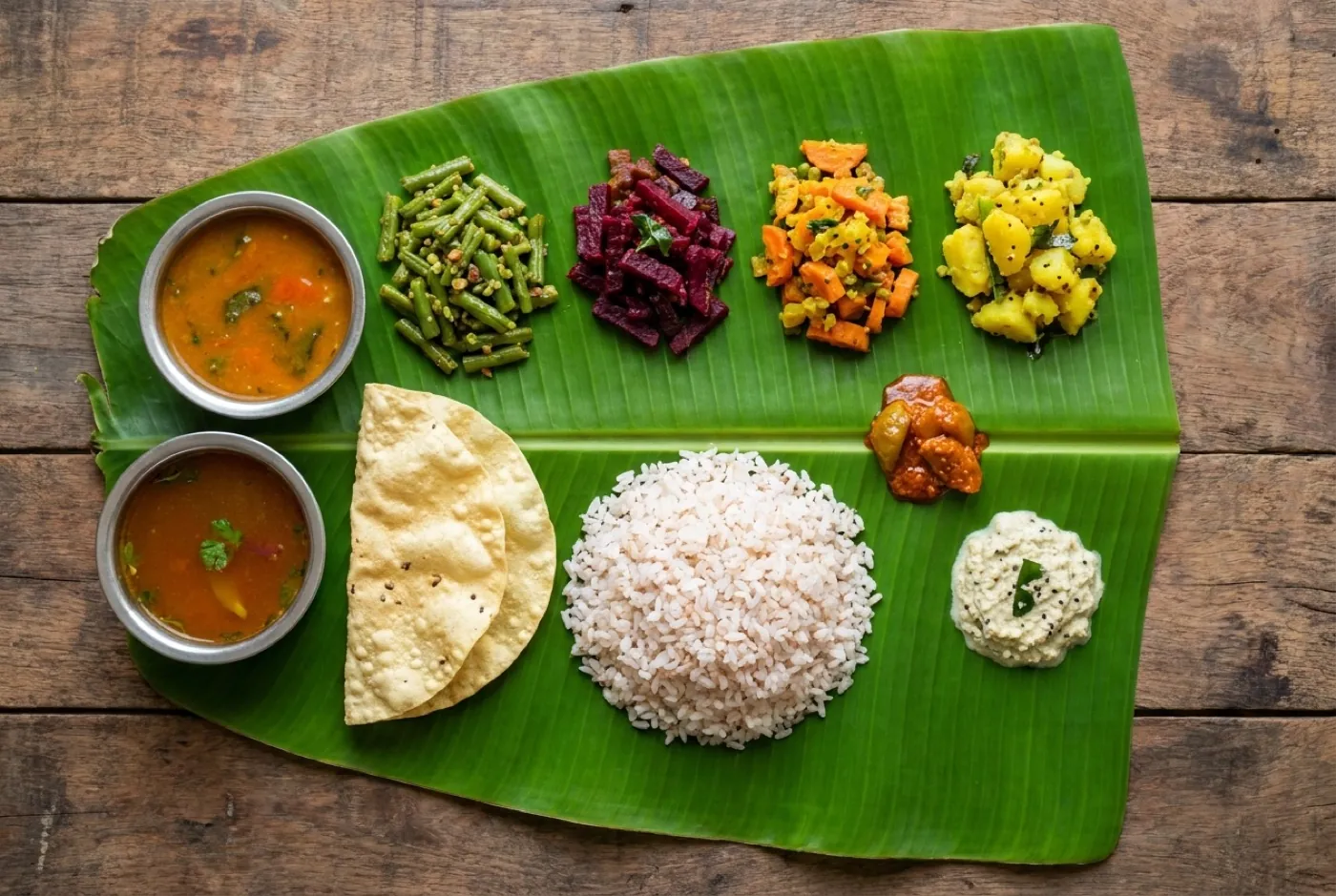
Read a thali through its textures, regional examples and serving choices, then use those relationships to compose a thoughtful meal at home.
Understand fermented and instant steamed batters, the distinction between dhokla and khaman, and the ingredient, mixing and steaming choices that shape an even crumb.
Follow the chain from batter texture to pan contact, spreading, cooking and serving, with a practical guide to diagnosing a dosa that tears, sticks or stays heavy.
Plan a thoughtful Daman outing around Moti Daman, Bom Jesus, St. Jerome, an unhurried meal and an optional Jampore pause, with official context and practical questions for access and comfort.
Choose between a Vapi city meal, a Daman coastal outing and a heritage-led day, with practical transport, dietary, access and booking questions and clearly labelled links to the retained food journal.
Understand the occupational meaning of burnout, make workload visible, turn boundaries into practical agreements, and recognise when exhaustion needs professional support.
A thoughtful guide to restless nights: make room for rest, notice useful patterns, understand CBT-I, and know when sleep problems deserve professional attention.

If Daman evenings had a flavour, it would be a tall glass of falooda at Bholenath, old Hindi songs playing in the background.

Pocket-friendly and reliably satisfying, Blue Lagoon in Tin Batti is my Daman answer to a serious biryani craving.
Running since the late 1970s, Gurukripa is where Daman's coastal, Portuguese-tinged love of seafood shows up on a plate.

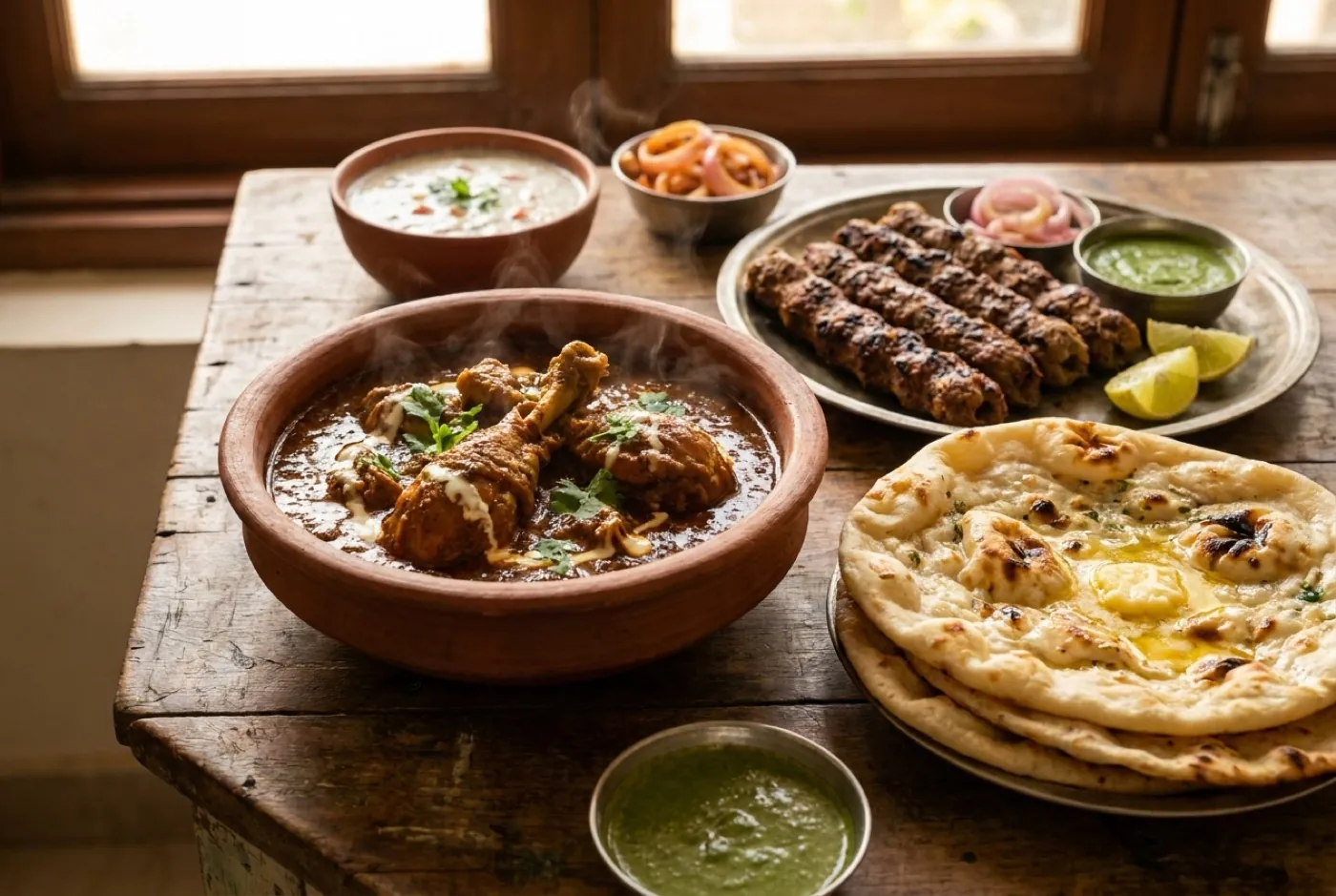
Just across from Daman, Nawab Family Dhaba is the Vapi name that comes up when anyone wants tandoori, grills and hearty non-veg.
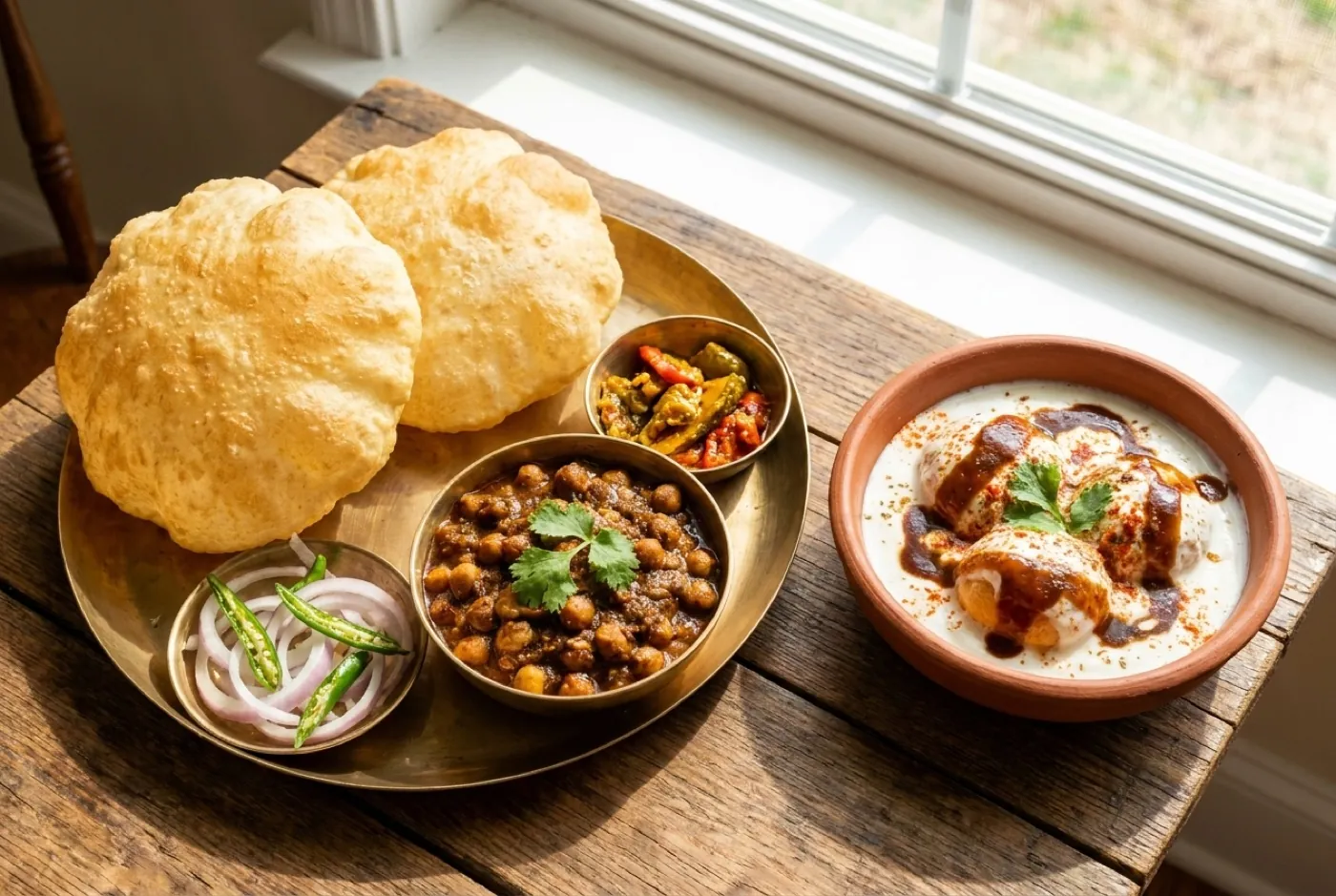
Running since 1990, Hotel Papillon is Vapi's dependable pure-veg address for dahi vada, chole bhature, South Indian and thali.

Every good night out needs a last stop, and mine is an ice cream at Sharma.
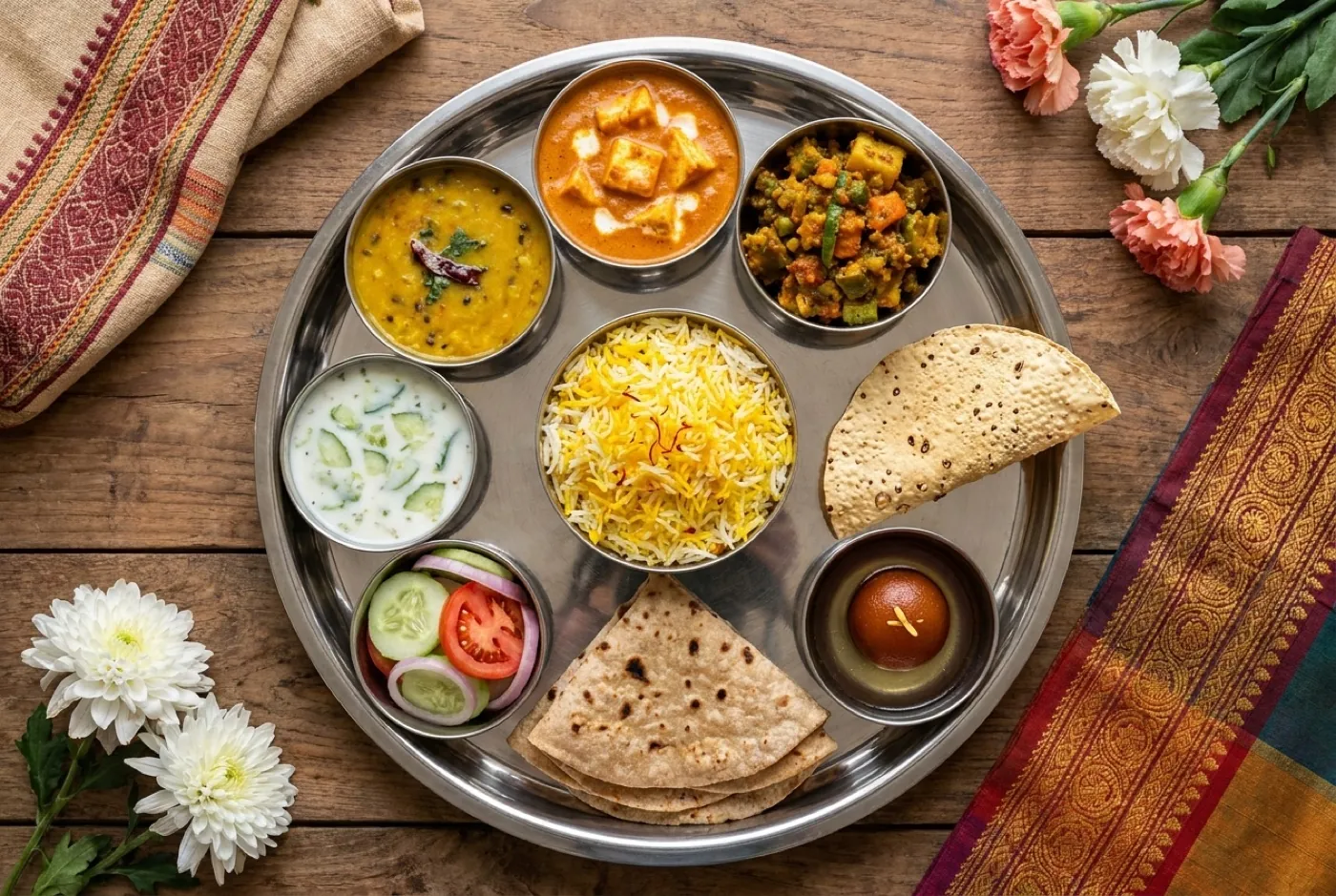
Daman's go-to pure-vegetarian hotel, where an unlimited Gujarati thali arrives plate after plate with a sea breeze on the side.
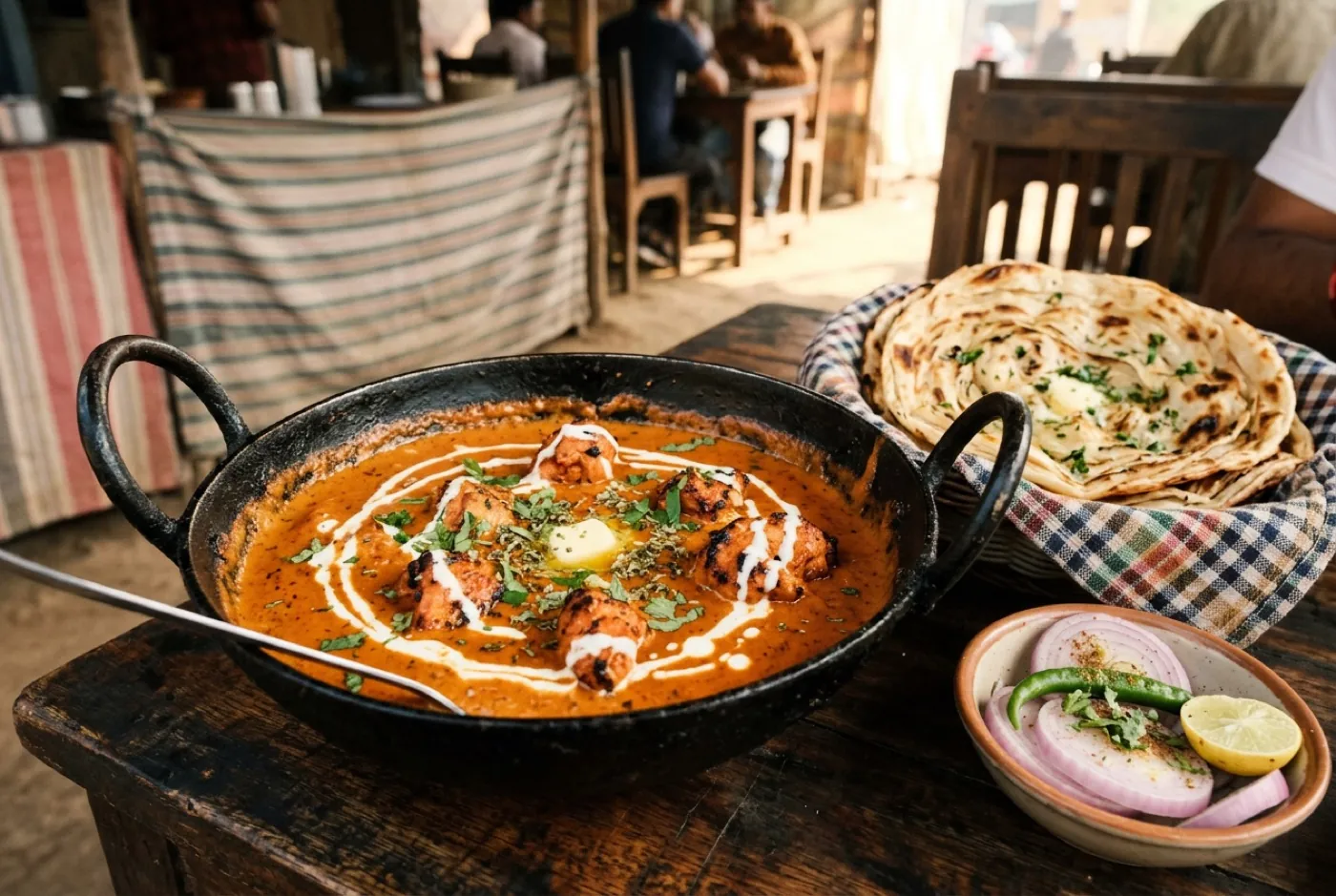
Part restaurant, part Punjabi-village theme park — Veera Da Dhaba is where you go for butter chicken and a whole evening's worth of atmosphere.
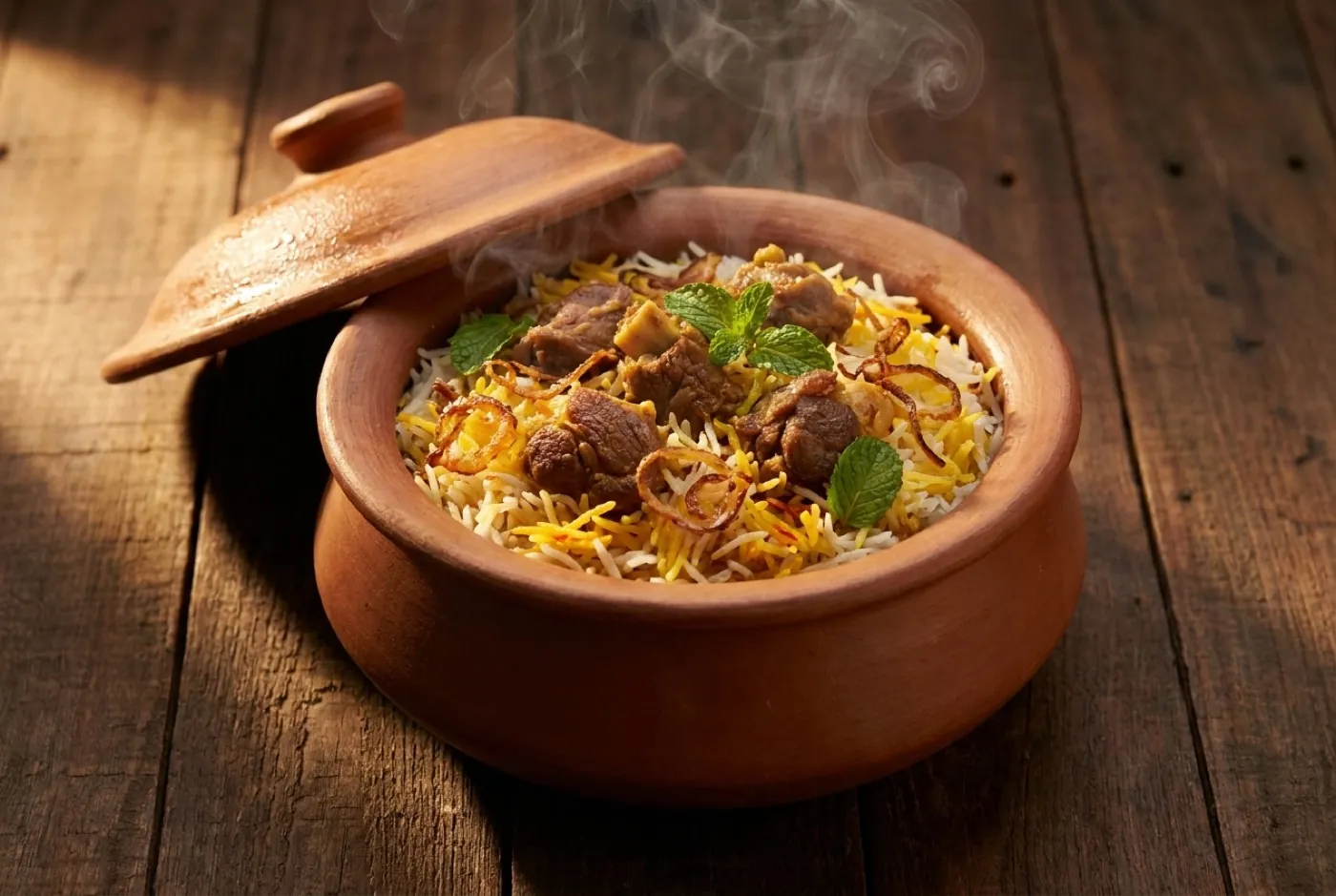
The recipe was never written down. It lived in her hands — in a pinch of saffron, a weighted lid, and the rule that you never, ever lift it too soon.

Chai in India is rarely about the tea. It is about the stopping — the small, twice-daily permission to sit down and be with each other.
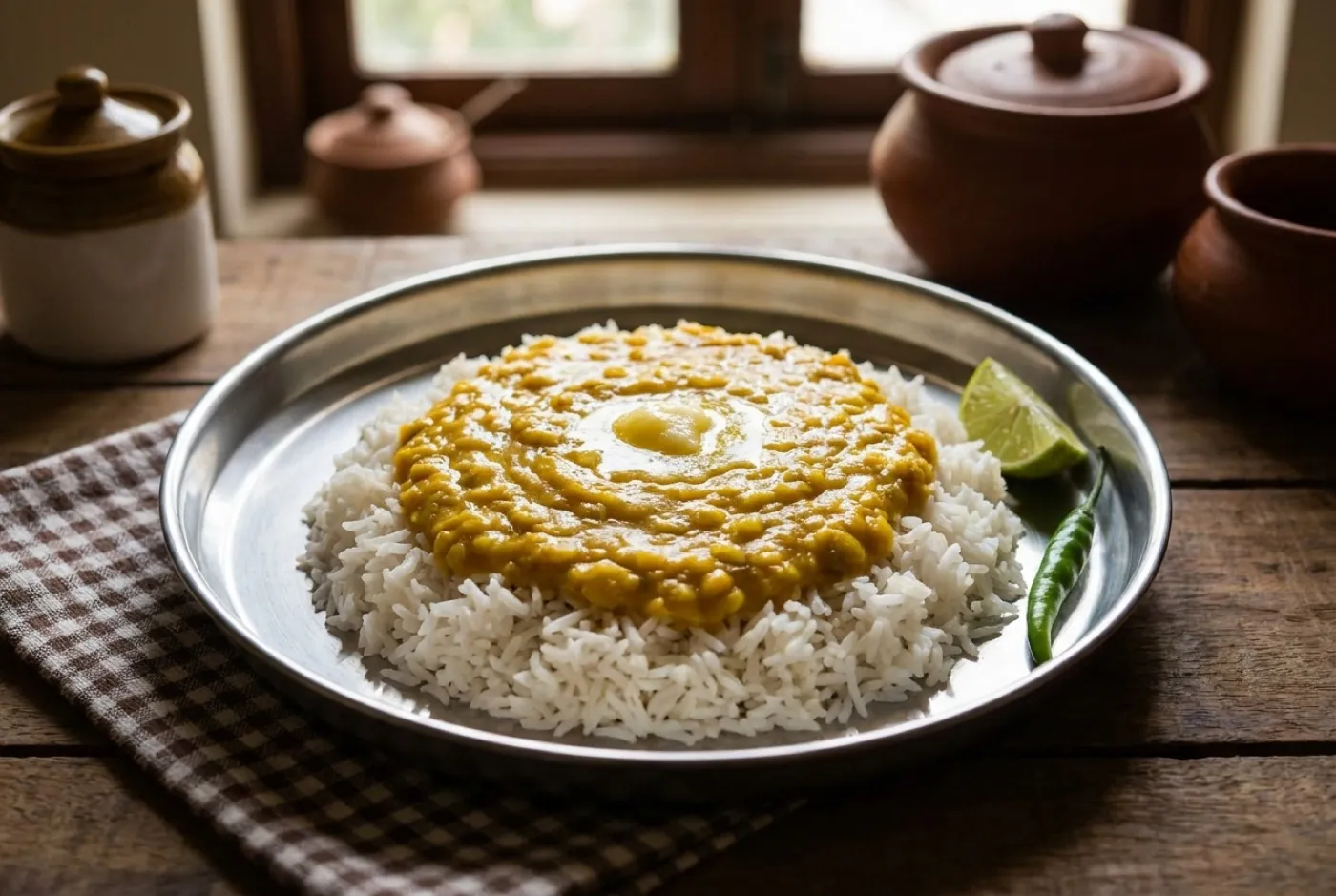
The humblest, most overlooked plate in India — and why, on the hardest days, it tastes exactly like being taken care of.
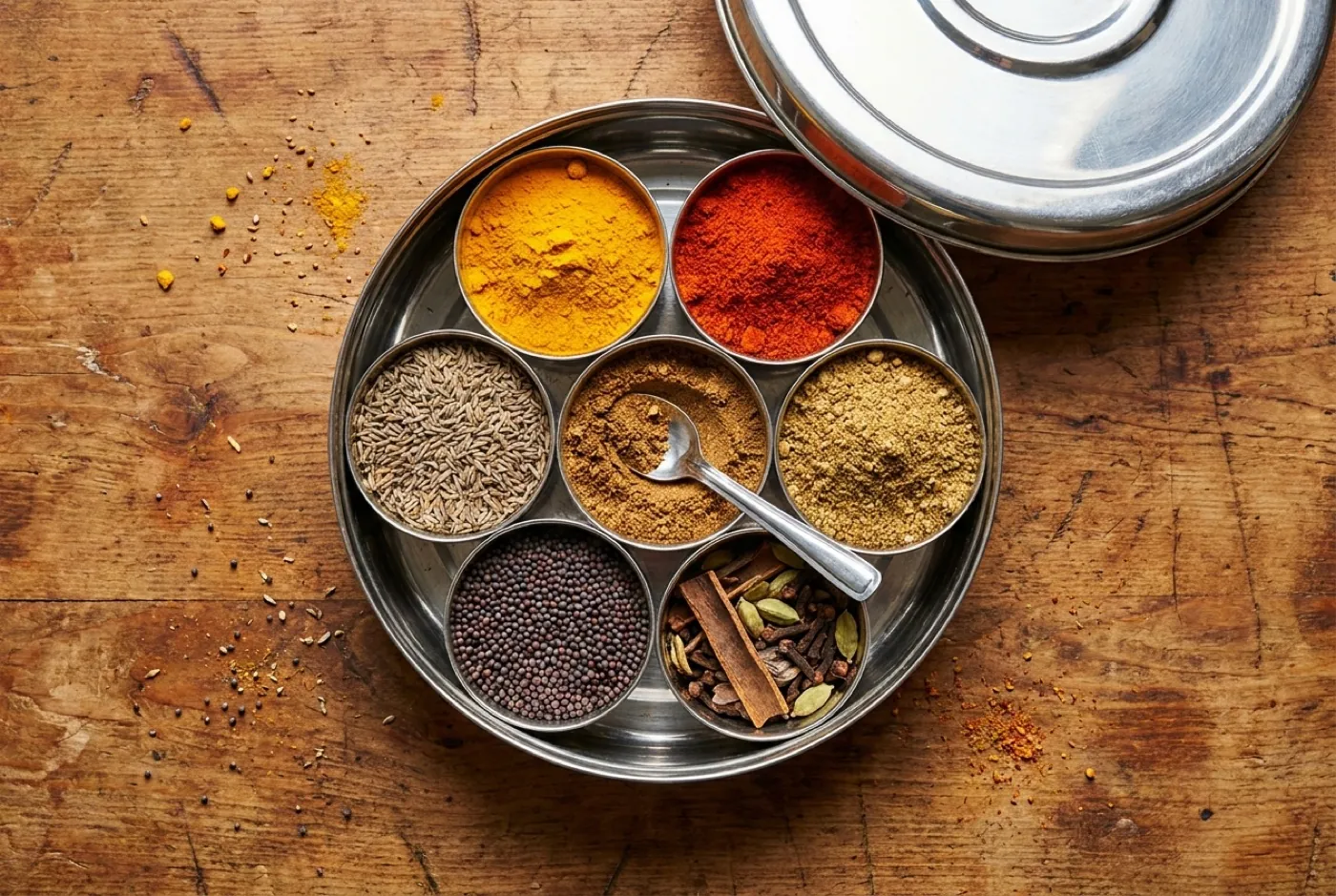
Open any kitchen in India and you'll find it: a round steel box, and inside, seven little tins nestled like planets. It is the kitchen's memory.

When the first heavy rain arrives, an entire city changes what it craves — and starts eating standing up, in the downpour, shoulder to shoulder.
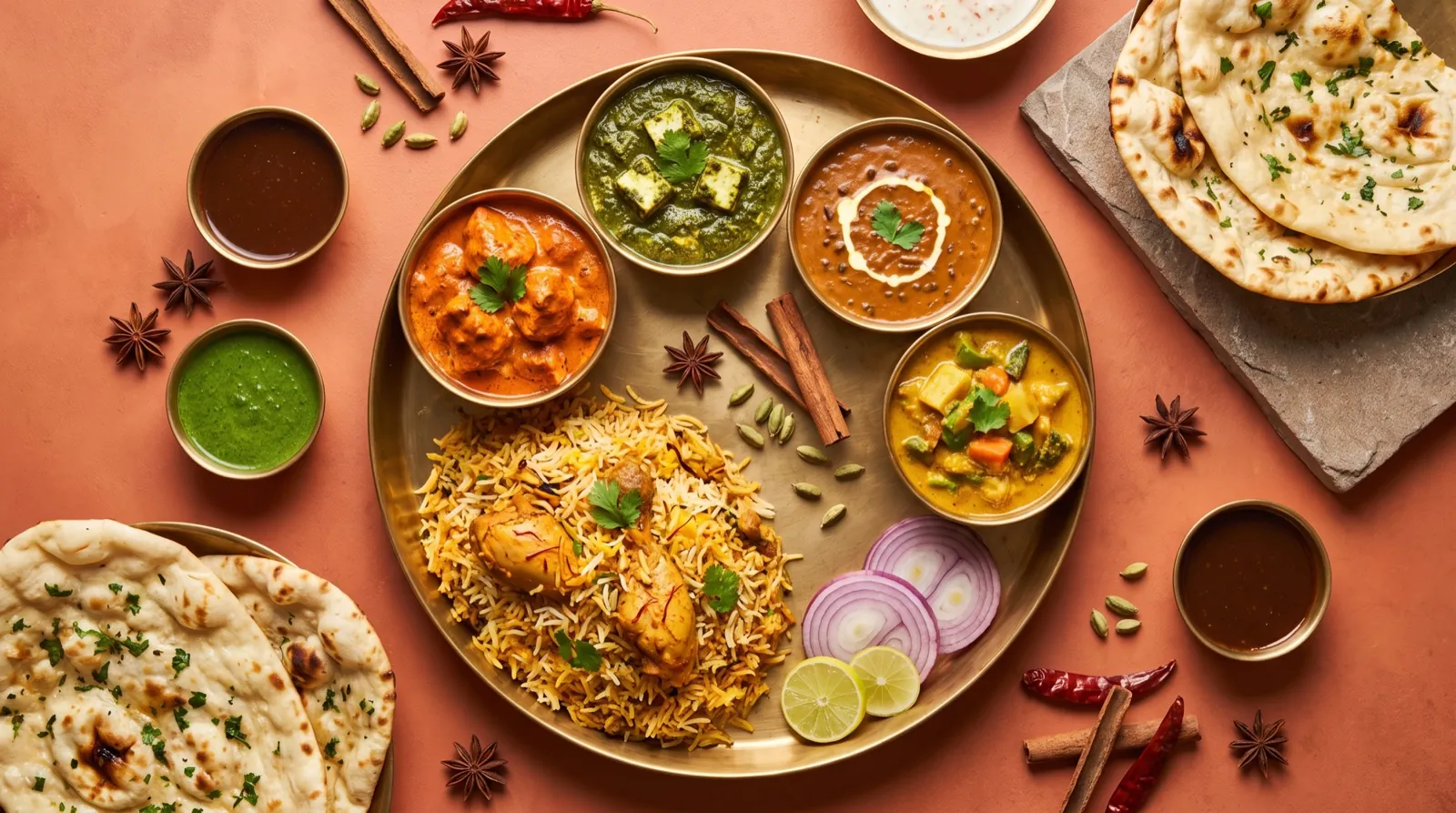
To understand India, eat a thali in five different states. The word means "plate" — but a thali is really a whole philosophy served all at once.
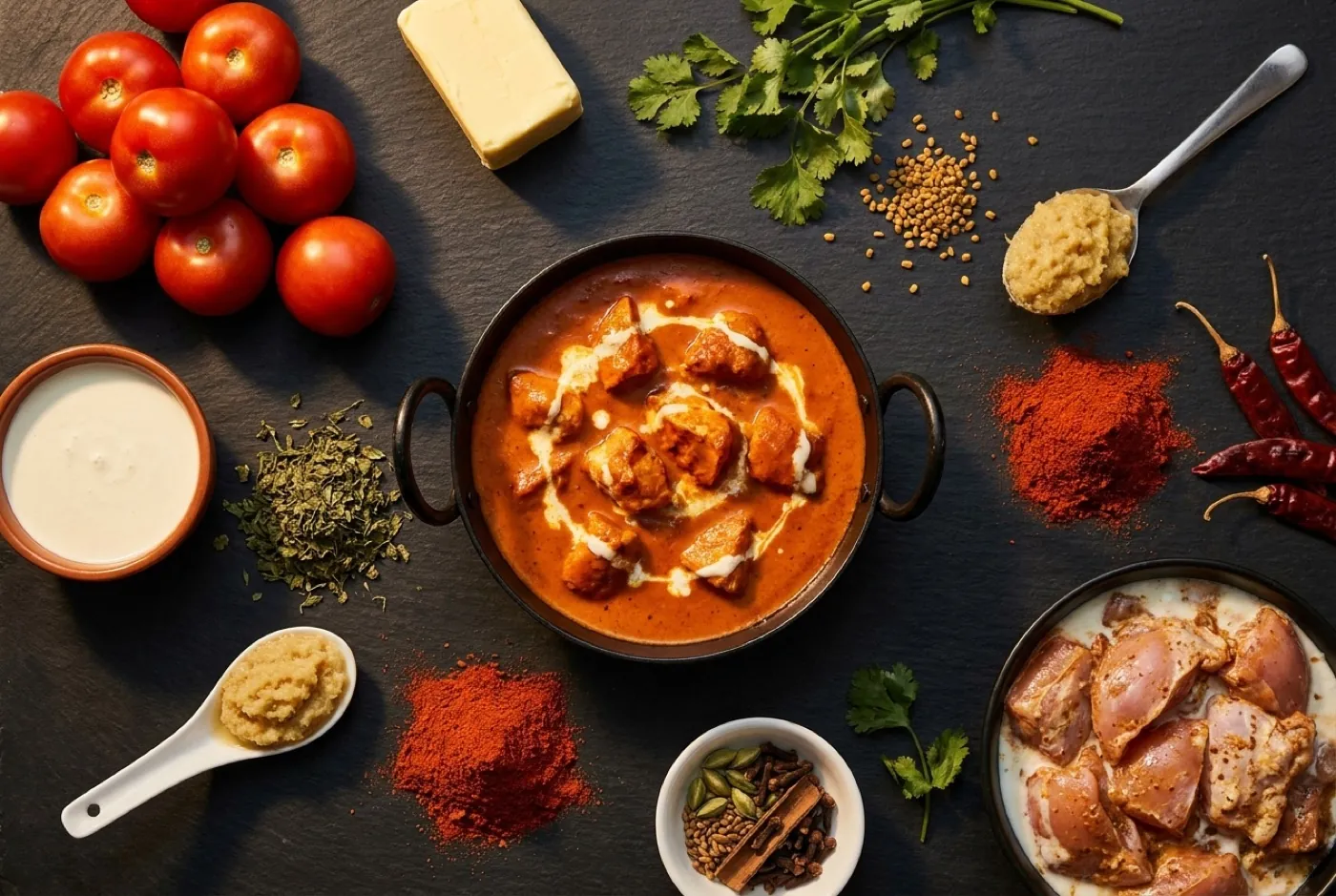
Take it apart and it's just tomato, butter, cream and smoke. Put it together and it's the most famous Indian dish on Earth. So — khaane mein kya hai?
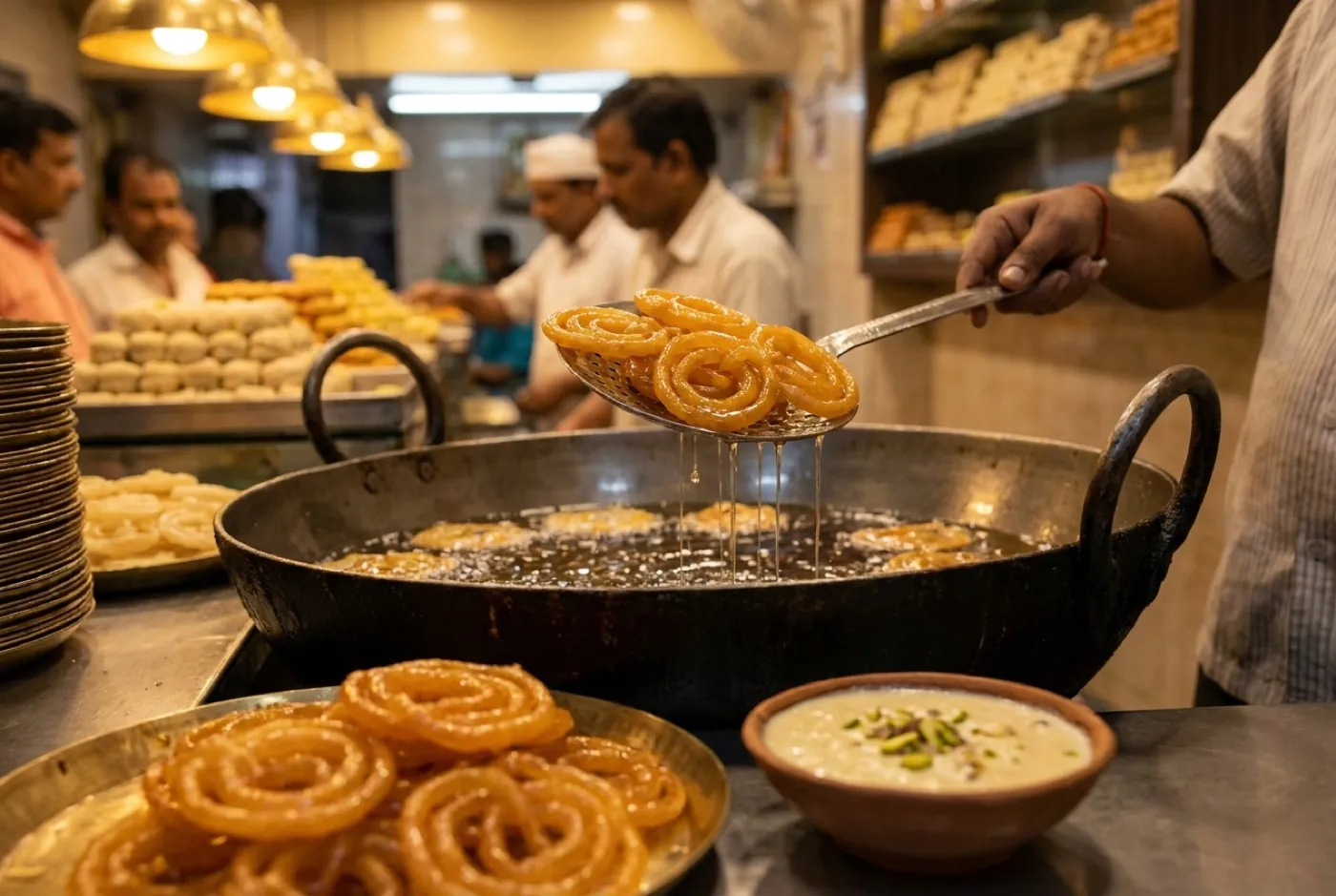
No two jalebis are the same shape, and that's the secret of its charm. So — khaane mein kya hai?
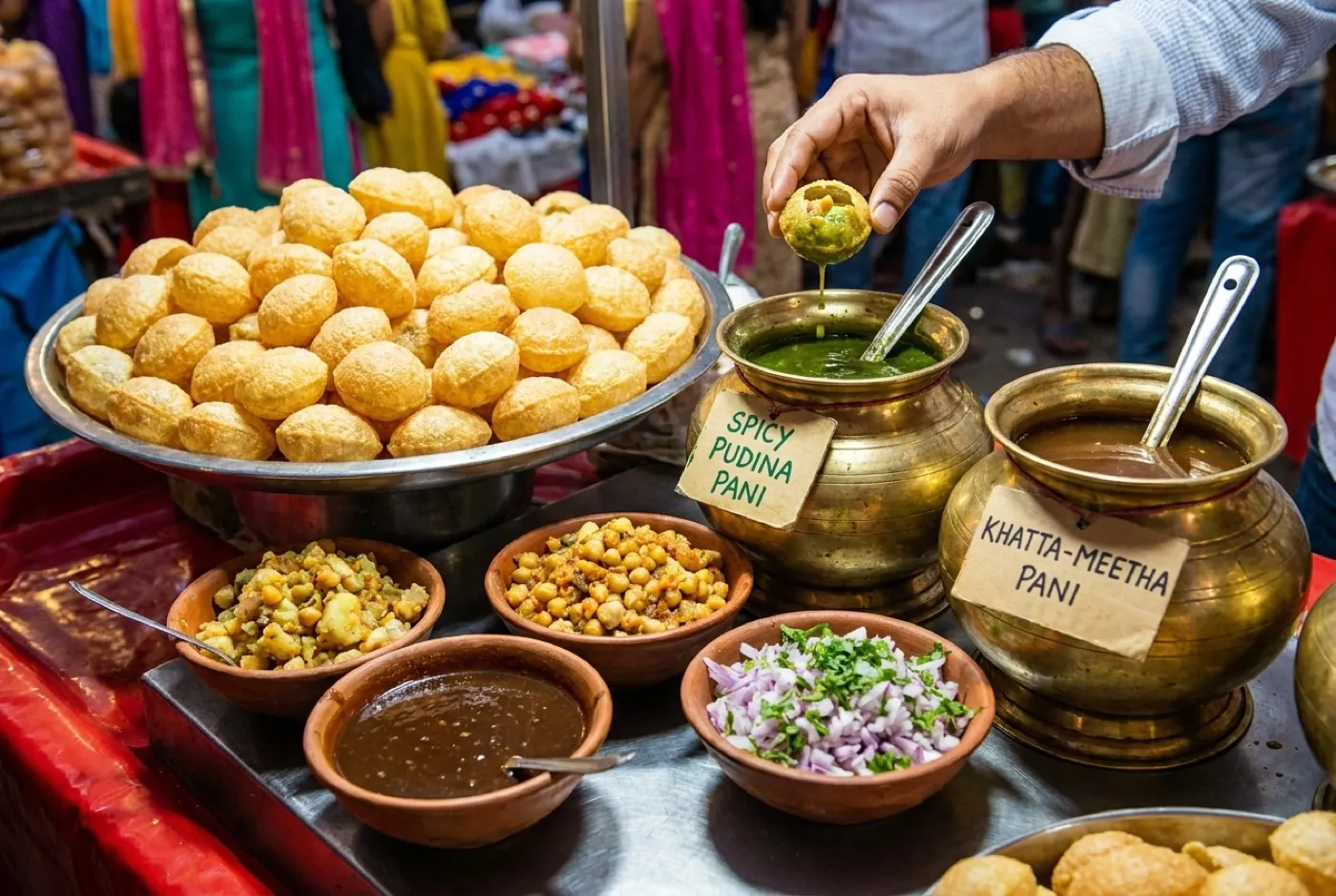
It is the only dish in the world with a countdown timer. From the moment the puri is filled, you have six seconds. So — khaane mein kya hai?

It crossed deserts with Persian traders, dined in Delhi's sultanate courts, and ended up at every Indian railway station. So — khaane mein kya hai?
Five small, science-backed things you can do when anxiety makes the world feel too loud — no life overhaul required.

On the quiet violence of measuring your behind-the-scenes against everyone else's highlight reel — and how to climb out.

Why so many of us — especially in Indian families — were taught to swallow our feelings, and a gentle, practical way to begin putting that weight down.

A tender, practical guide to one of the hardest conversations in many Indian homes — asking for permission to get help.
A complete, compassionate guide to what anxiety really is, why it grips so hard, and the evidence-based ways to loosen it — drawn from decades of research and the best books on the subject.

A complete, compassionate guide to the heaviest weather of the mind — what depression actually is, why it feeds on withdrawal, and the slow, evidence-based return of light.

How to see it. How to say it. How to stay. For everyone who has ever watched a friend disappear behind the words "I'm fine."

Men do feel pain. They were just trained — patiently, thoroughly, from boyhood — to hide it. This is a guide to the script, the mask it produces, and the way out.
Long after the mind wants to move on, the body keeps standing guard. This is the science of why — and the honest map of how healing actually happens.
There isn’t a match on this page. Try another topic or browse older stories.